Western Suburbs, Mumbai
Bandra
Heritage villages, sea-facing renovations and the city's most walked neighbourhood.
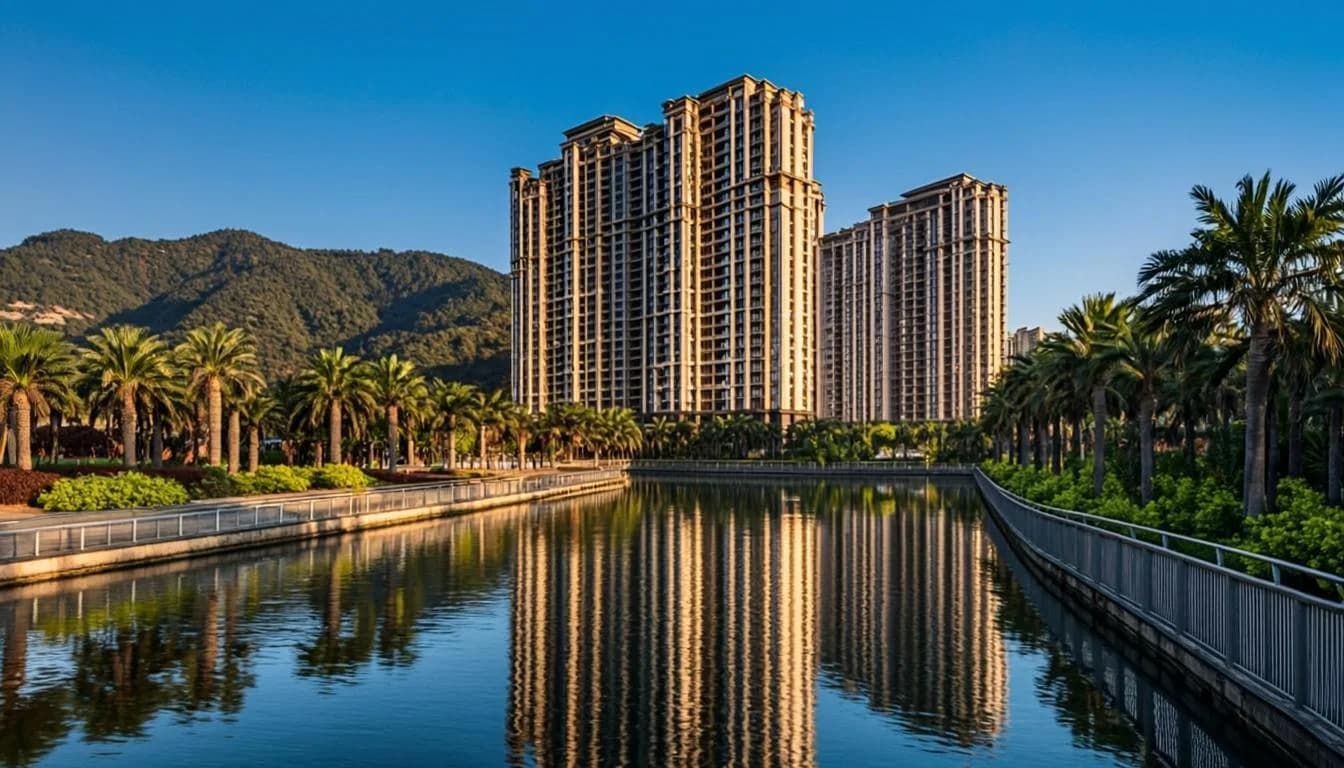
Bandra pairs old-Bombay charm with renewed luxury stock — Portuguese-era cottages, mid-rise societies and new sea-facing developments within walking distance of each other.
Why Bandra holds its premium
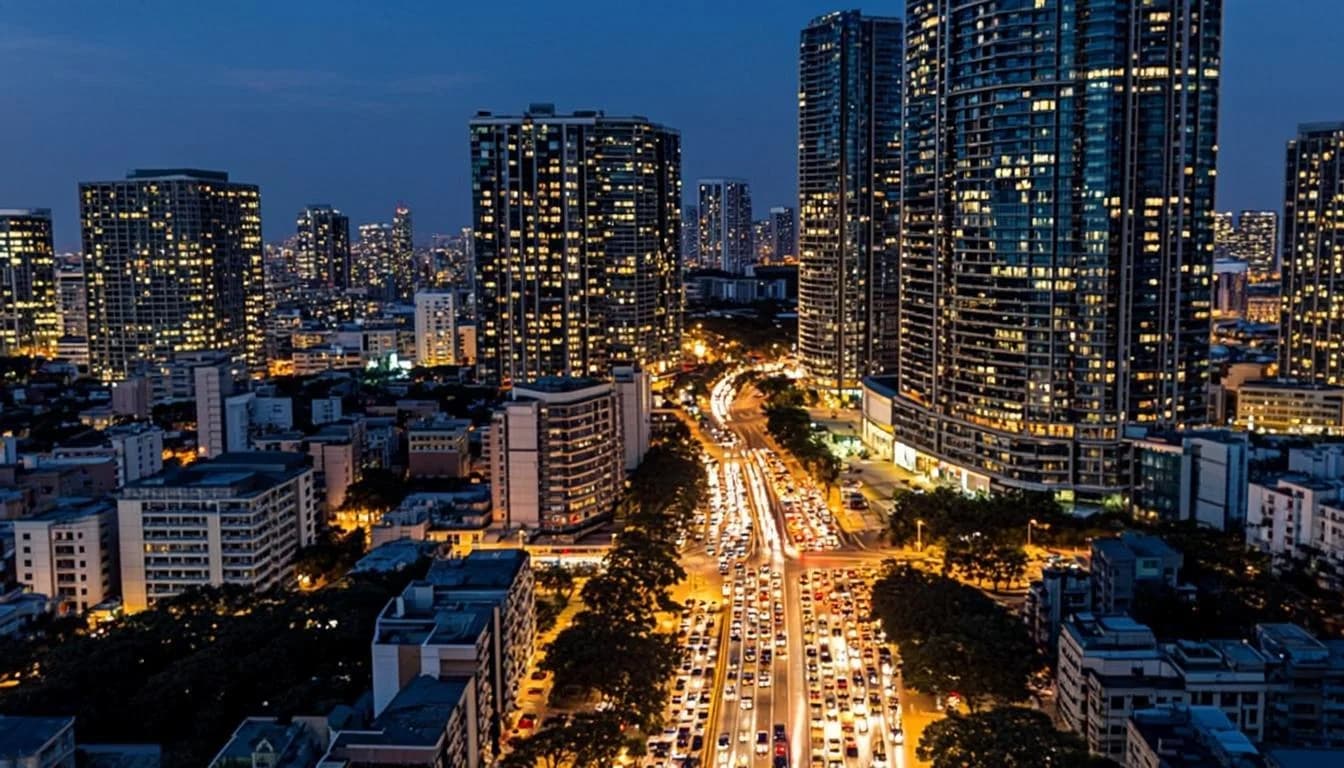
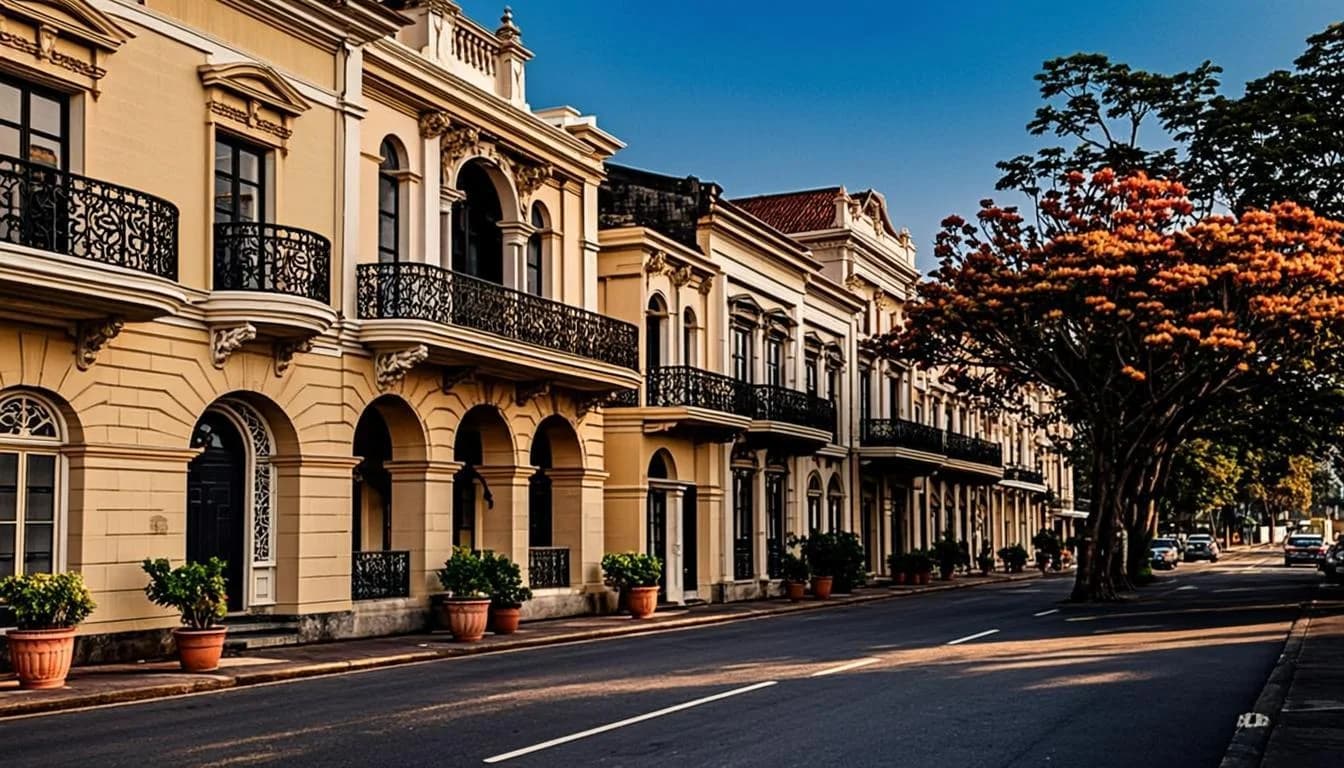
Bandra is arguably Mumbai's most culturally legible suburb — a former fishing village that became the address of choice for film, design and business families. The neighbourhood rewards walkers in a way few Mumbai suburbs do: promenades at Carter Road and Bandstand, a dense café and restaurant scene, and streets where a heritage cottage can sit beside a contemporary tower.
Housing stock and pricing character
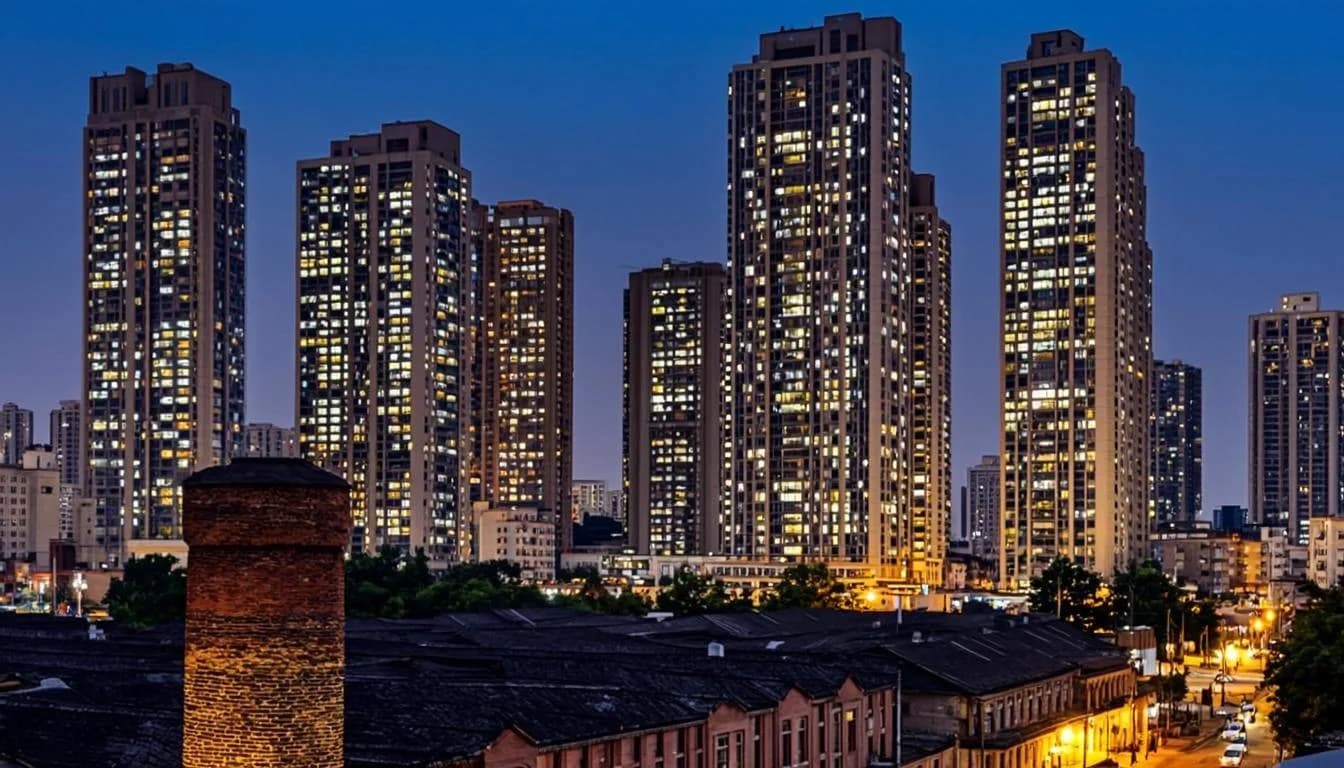
Inventory spans three eras. Heritage and heritage-style homes around Chapel Lane, Ranwar and Mount Mary trade rarely and command a scarcity premium. Co-operative societies from the 1970s–90s on Waterfield, St Paul and Hill Road offer larger carpet areas relative to new supply, often pending redevelopment. Since the coastal road opened, new launches around Pali Hill and Bandstand market sea-facing towers with full-service amenity decks.
Who Bandra suits
Buyers who value neighbourhood character, walkability and dining density over sheer square footage per rupee. Families gravitate toward society apartments near St Stanislaus and Arya Vidya Mandir; professionals who work late value the short, walkable distance between home and everything else.
What we verify before recommending a Bandra property
Redevelopment status and society consent for older buildings, FSI headroom, parking de facto vs de jure, and heritage advisability for facade-sensitive homes. Sea-facing premiums vary sharply by floor and sightline — we check the actual view at the actual hour, not the brochure rendering.
Locality observations are general in nature and reviewed periodically. For a current, requirement-specific read of Bandra — pricing context, upcoming supply, society norms — speak with an advisor.